FRAMEWORK CONCEPTS

Agritech
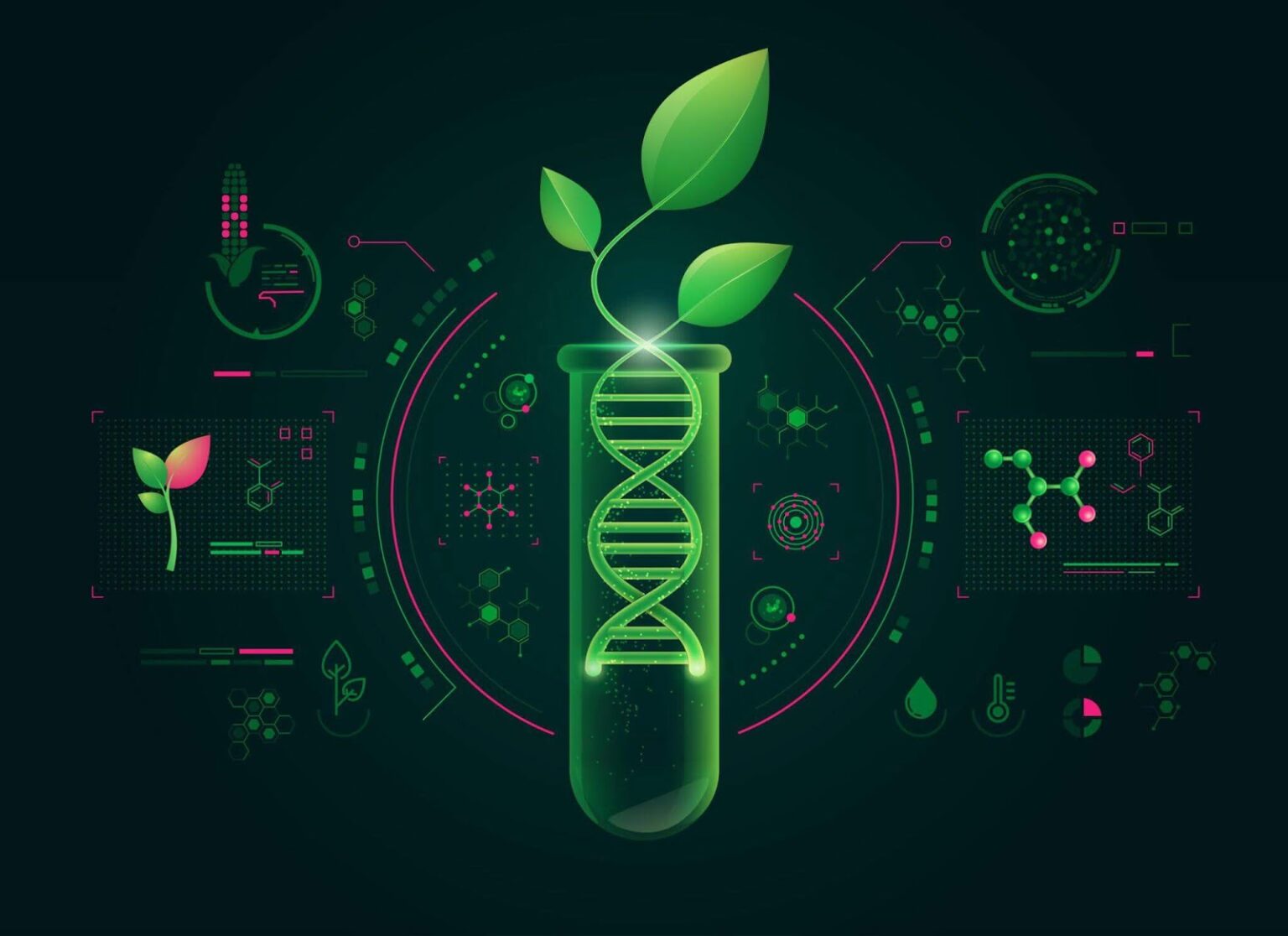
Agri-tech, sometimes ag-tech, agtech or digital agriculture, is the application of technology and digital tools to farming. It encompasses a wide range of technologies, including automation, biotechnology, information monitoring and data analysis
Agri-tech can be used to improve efficiency, increase yields, reduce costs and boost sustainability. It has become increasingly important in recent years as demand for food increases and climate change becomes an ever-present threat to food security.
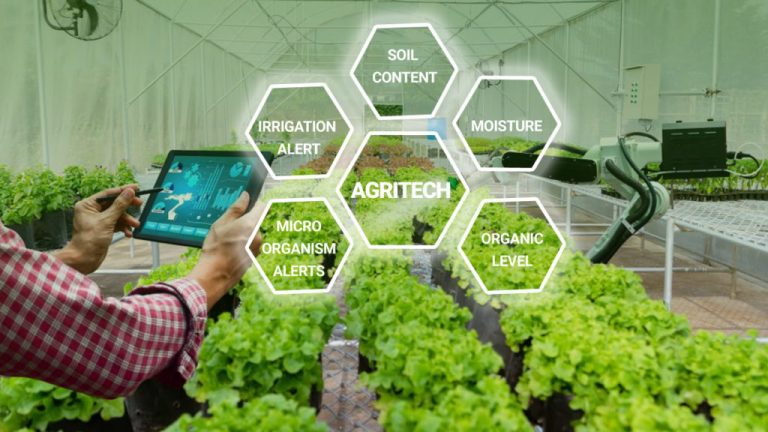
Examples of agricultural technology
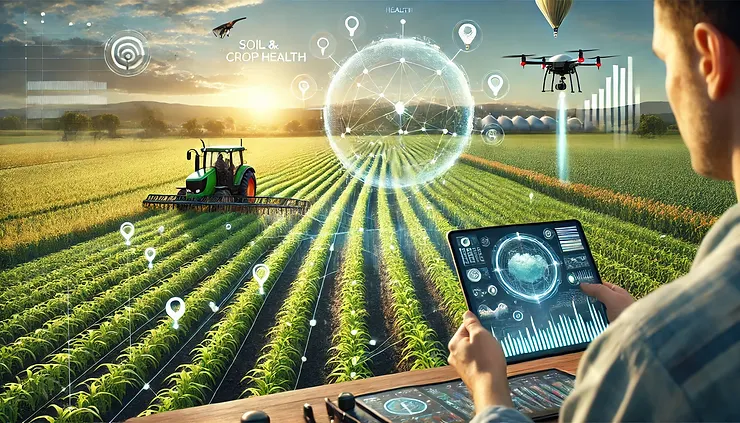
Precision monitoring.
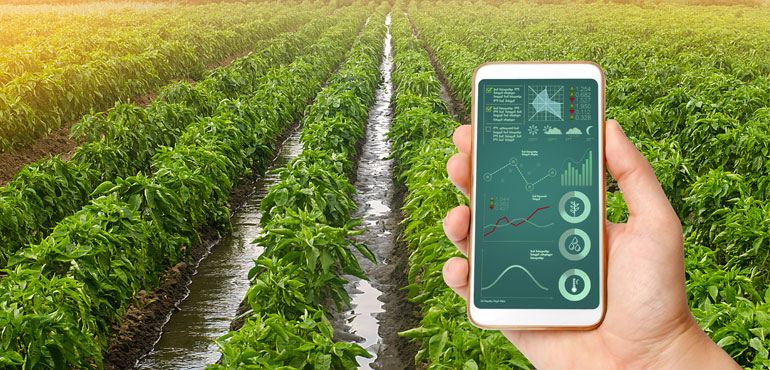
Satellite and drone imagery is used alongside other internet of things (IoT) sensors to monitor crop health and soil conditions. The data collected by these devices can be used to optimize irrigation schedules, predict weather patterns and digitize pest control.
Automated equipment.
Modern tractors are highly automated and come with a range of features, such as GPS navigation, automated steering systems and hydraulic attachments. Autonomous tractors reduce the need for human labor and increase efficiency. Robotic equipment is also used for picking, monitoring and planting crops. For example, IronOx's crop-assisting mobile robots can be used to move over 1,000 pounds of product, navigate a grow space using on-board laser scanning and check the health of individual plants.
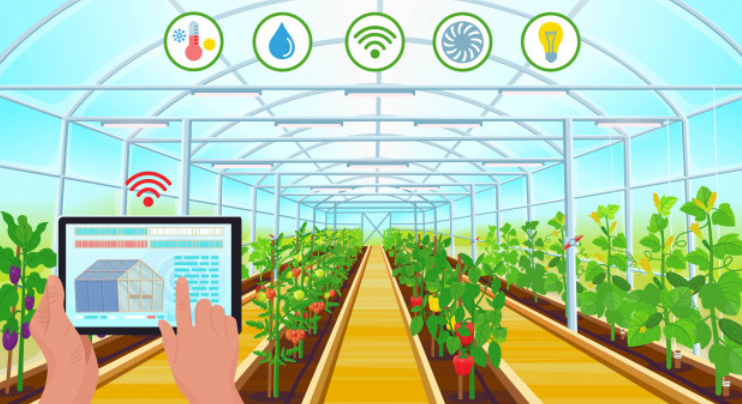
Smart greenhouses.
Smart greenhouses help create the tightly controlled environment necessary for Vertical farming, which conserves space, expands the grow season and produces higher crop yield in places that would otherwise not be suitable for growing plants. The containment of crops also helps eliminate the conflict between farmers and native species.
Livestock management.
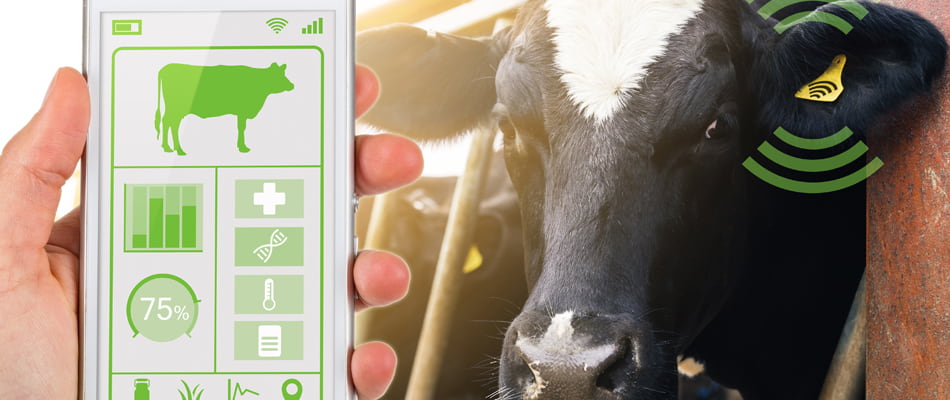
Livestock management systems use sensors and other technology to track the health of animals on farms. Automated milking systems allow cows to set their own milking schedules, which gives farmers more flexibility and allows cows to follow their own natural rhythms
Supply chain management.
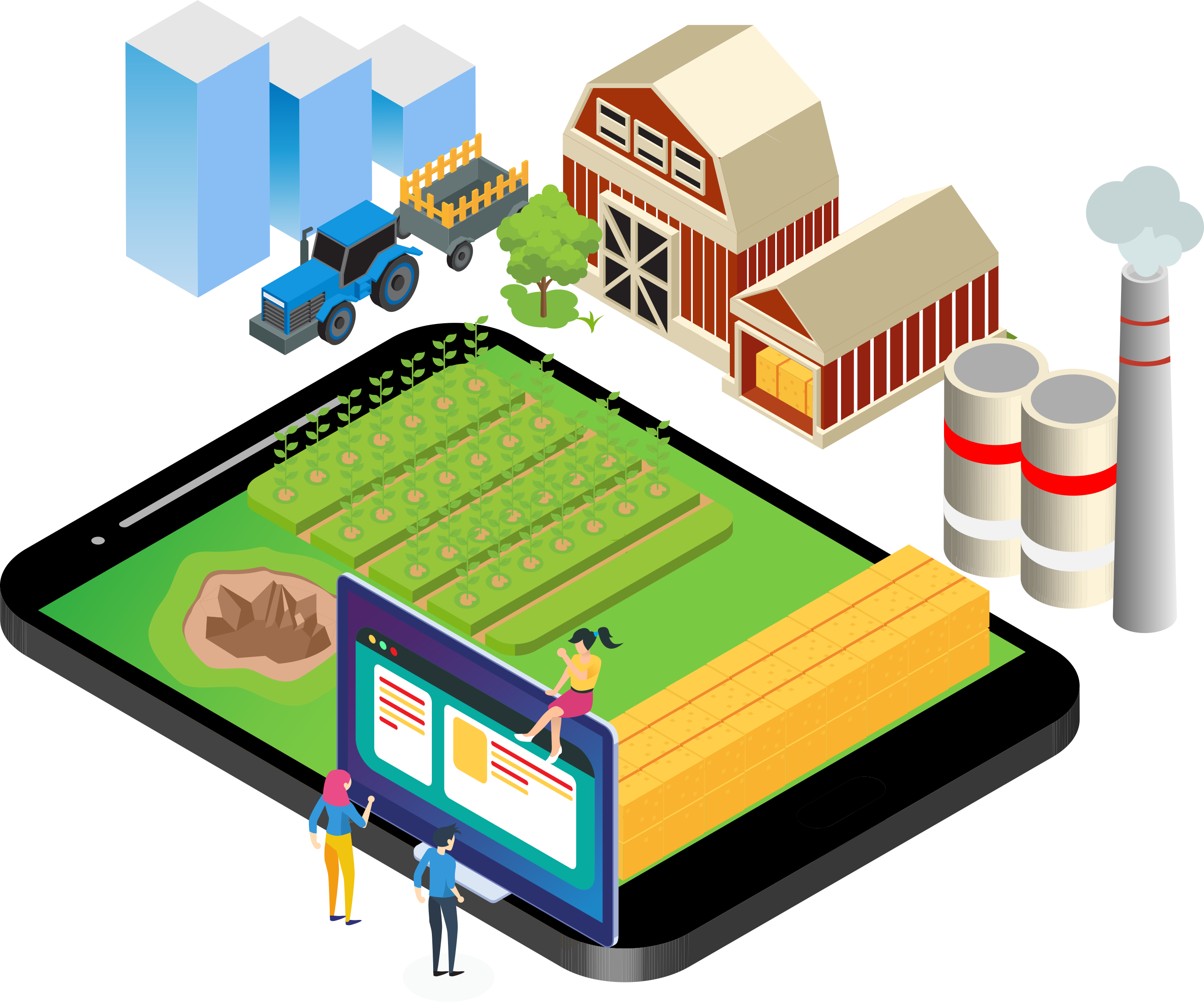
Agricultural supply chain management focuses on the efficient integration of producers, suppliers, distributors and customers in the food production and distribution chain. Supply chain technologies such as blockchain, big data analysis and machine learning can help farmers, growers and manufacturers track their produce from farm to table. Better supply chain management leads to greater efficiency in resource use, reduced waste, more accurate forecasting and improved customer satisfaction.
Biotechnology.
Biotechnology has been used to increase crop yields by giving plants traits that are beneficial for their growth and development. Genetic engineering can be used to create crops that are more resistant to pests, drought and other environmental stressors. New methods of breeding, such as marker-assisted selection, can help farmers select plants with desired characteristics. For example, plants can be genetically modified to produce higher yields or have improved nutrition values. Fertilizer can also be engineered. For example, agri-tech company Azotic replaces nitrogen fertilizers with nitrogen-fixing bacteria as a more environmentally friendly solution.